
Collagen protein plays a critical role in how the body recovers from physical stress and maintains functional movement. It supports the tissues that absorb impact and stabilize joints, making it particularly valuable for individuals engaged in regular training or repetitive activity.
Over time, consistent collagen intake contributes to improved joint comfort, reduced stiffness, and better movement efficiency. This is not an immediate effect but a cumulative one, where gradual reinforcement of connective tissues leads to more stable and reliable physical performance.
Beyond recovery and mobility, collagen also contributes to skin structure and elasticity. By supporting the underlying framework of the skin, it helps maintain firmness and resilience, making it relevant not only for performance but also for long-term appearance and anti-aging strategies.
How to Use Collagen Effectively
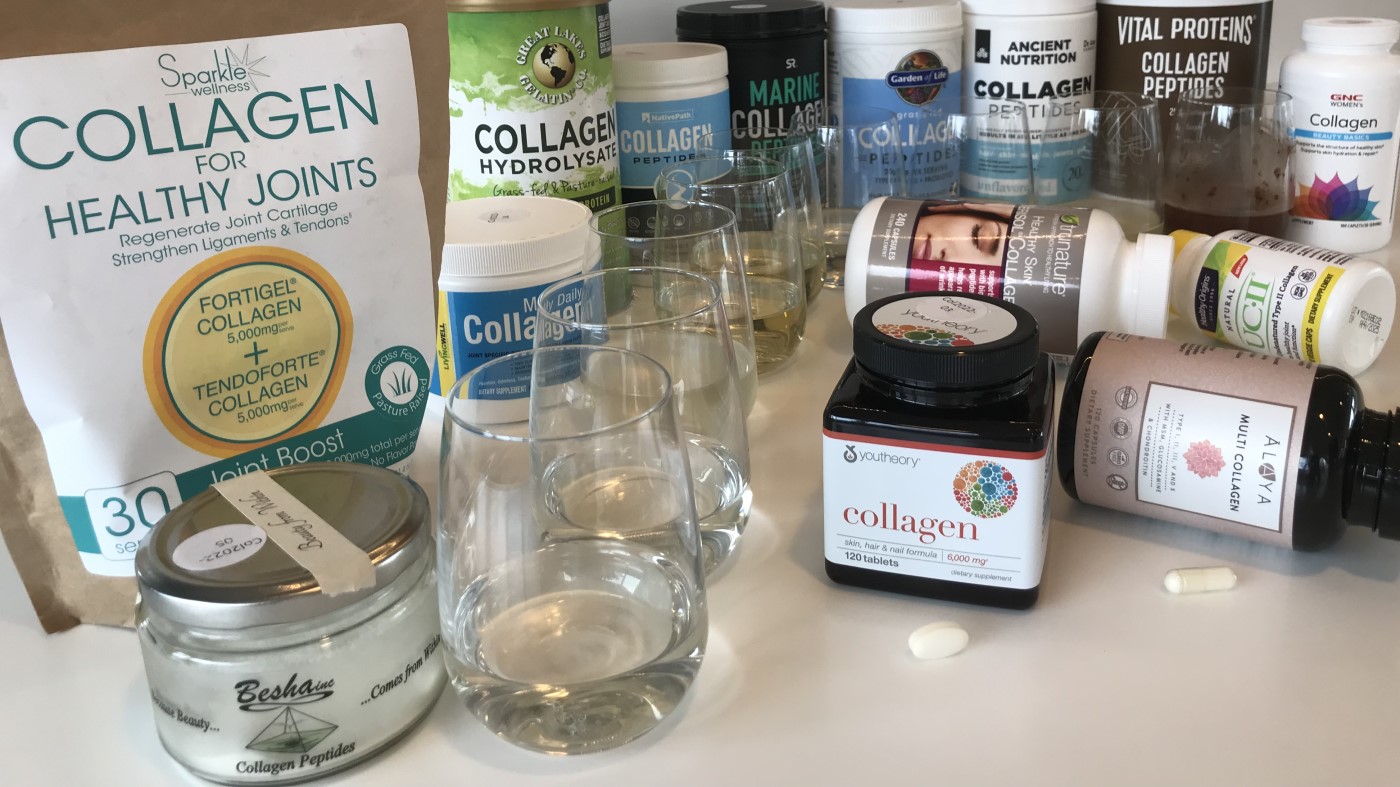
Collagen protein is most effective when used consistently rather than occasionally. Its benefits develop over time as the body utilizes the supplied amino acids to repair and maintain structural tissues.
It can be integrated into daily routines through beverages, meals, or supplementation protocols, making it easy to maintain regular intake. Unlike fast acting proteins, collagen works progressively, reinforcing the body’s structure with continued use.
For best results, it should be viewed as a long term addition to a routine rather than a short term solution.
Quality, Absorption and Product Selection
:max_bytes(150000):strip_icc()/hlt-tier-3-primary-best-collagen-supplements-ahuang-044-bde4d02c5669415098a833e3f89856ef.jpeg)
The effectiveness of collagen protein depends heavily on how it is processed and formulated. Hydrolyzed collagen, commonly referred to as collagen peptides, is preferred due to its improved absorption and ease of use.
A well structured collagen product should clearly indicate its composition, including the types of collagen it contains and its intended use. This allows for better alignment between product selection and individual goals, whether focused on joints, skin, or overall structural support.
Consistency in formulation and clarity in composition are key indicators of a reliable product, ensuring that each serving delivers the intended benefit.