
One of the key distinctions in this field is understanding that repair does not always mean returning to the original state. In many cases, tissues adapt, becoming stronger, more resistant, or structurally different depending on the type and frequency of stress applied.
Peptides used in this category are studied for how they influence this balance between restoration and adaptation. This includes observing whether tissues prioritize rebuilding original structure or developing enhanced resilience. These insights are essential in understanding how biological systems evolve under repeated demand and how recovery processes shape long-term performance.
Working Within Active Systems

Unlike static biological processes, tissue repair is continuously influenced by external conditions. Movement, load, nutrient availability, and environmental stress all play a role in how recovery unfolds. This makes controlled experimentation essential for isolating the effects of specific variables.
Compounds used in this area must be applied within clearly defined parameters to ensure that observed outcomes are directly related to repair mechanisms rather than overlapping influences. Consistency in handling and stability of materials is critical when working within systems that are already in motion.
Where Recovery Defines Future Performance
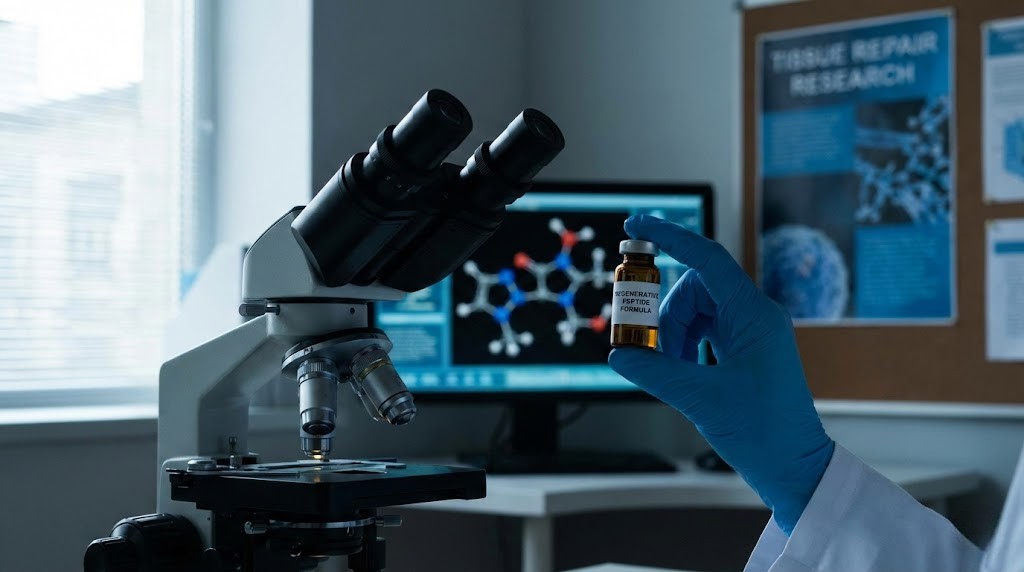
Tissue repair research is not just about understanding damage. It is about understanding how systems prepare for what comes next. The quality of recovery determines whether tissues remain vulnerable, return to baseline, or develop increased resilience.
We support research environments that operate within this space by supplying compounds aligned with structured investigation and global accessibility. Our approach is centered on consistency, controlled sourcing, and the ability to meet the demands of research that requires clarity, precision, and dependable material integrity. In systems shaped by stress and recovery, outcomes are determined by how well each stage is understood and managed.