
Plant protein plays a significant role in supporting muscle function, recovery, and daily nutritional balance when used consistently within a structured routine. Its effectiveness is influenced not only by protein content but also by how well it is digested, absorbed, and utilized by the body.
One of the primary advantages of plant protein is its digestibility. Properly formulated plant proteins are designed to be easier on the digestive system, making them suitable for individuals who require a cleaner and more adaptable protein source. This allows for consistent use without unnecessary discomfort, supporting long term adherence to a supplementation routine.
From a performance perspective, plant protein contributes to maintaining lean muscle mass, supporting recovery processes, and providing a stable source of amino acids throughout the day. While individual plant sources may vary in composition, blended formulations are often structured to deliver a more complete amino acid profile, ensuring that the body receives adequate support for muscle repair and overall function.
In addition to protein content, plant-based formulations often include naturally occurring nutrients that contribute to overall wellness. This makes plant protein not only a performance tool but also a broader nutritional support system that aligns with long term health strategies.
Practical Use and Routine Integration
:max_bytes(150000):strip_icc()/what-is-plant-protein-and-how-is-it-used-5114486-hero-01-5cdb50b0205c4da1a9b75efa5f2ed198.jpg)
Plant protein is most effective when integrated into a consistent and structured routine that aligns with individual goals and dietary patterns. Its flexibility allows it to function as both a primary protein source and a supplementary addition to daily nutrition.
It can be used to support post training recovery, maintain adequate protein intake throughout the day, or complement meals where protein content may be insufficient. This adaptability makes it suitable for a wide range of users, from performance focused individuals to those prioritizing general health and nutritional balance.
Consistency remains essential. Regular use ensures that the body receives continuous support for muscle maintenance, recovery, and overall stability. When used as part of a well-structured approach, plant protein contributes to sustained performance and long-term physical support.
Quality, Composition and Selection
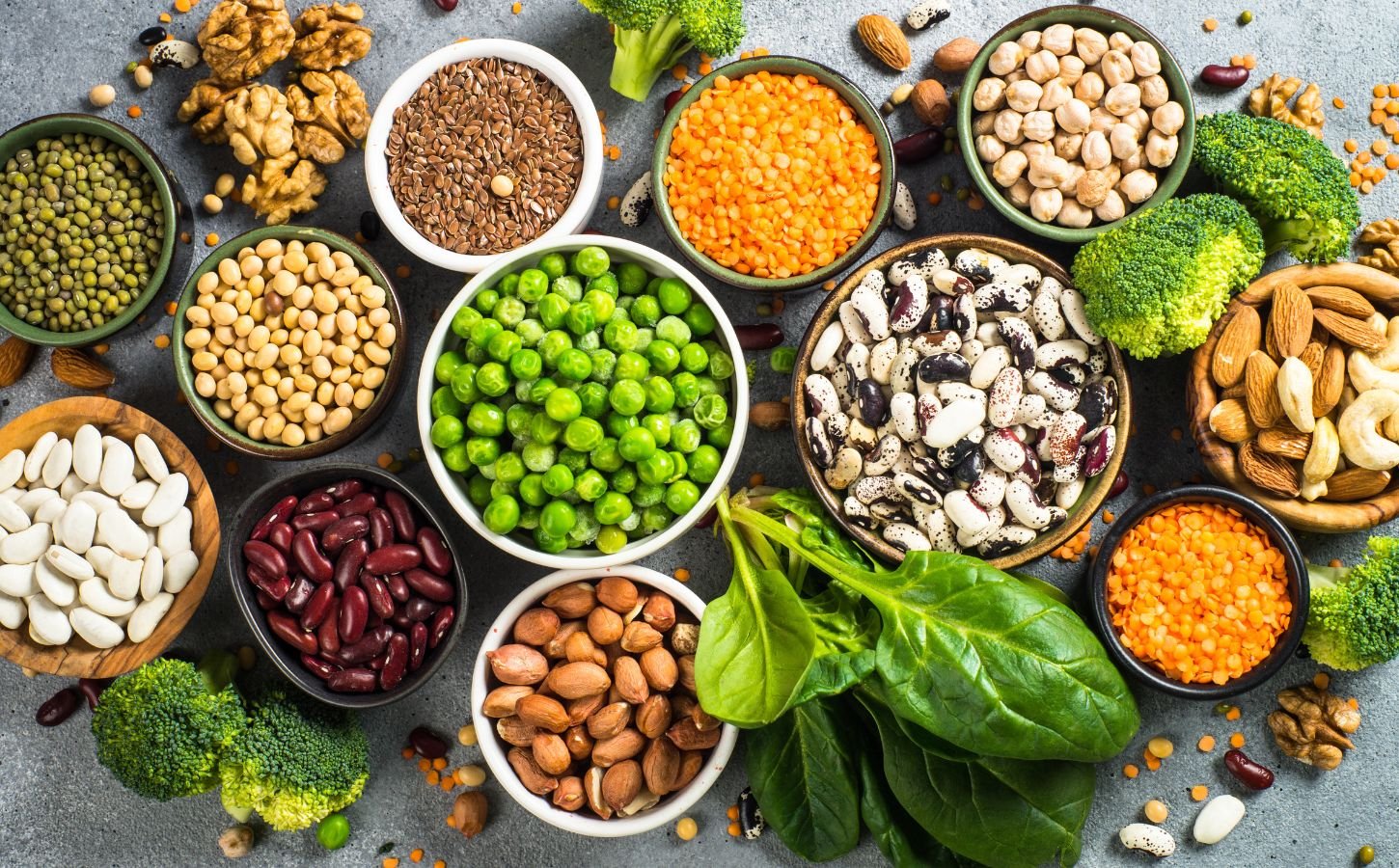
Selecting the right plant protein requires attention to formulation structure, ingredient sourcing, and overall composition. Not all plant proteins deliver the same level of effectiveness, making informed selection a critical part of building a reliable supplementation strategy.
A well formulated plant protein should provide a balanced amino acid profile, clear ingredient transparency, and a structure that supports both digestibility and functional performance. Blended plant proteins are often preferred for their ability to combine strengths from multiple sources, resulting in a more complete and effective product.
Clarity in labeling and formulation ensures that each product can be evaluated based on its intended use and expected outcome. This level of precision allows for better alignment between product choice and individual goals.
Long Term Use and Nutritional Stability

Plant protein supports long-term consistency in both performance and general health. Its clean composition and adaptability make it suitable for ongoing use, whether as part of a structured training routine or a daily nutritional framework.
Maintaining adequate protein intake over time contributes to muscle preservation, metabolic balance, and overall physical resilience. Plant protein offers a sustainable and reliable way to achieve this without unnecessary complexity.
Rather than being used intermittently, it is most effective when incorporated as a stable component of a broader system focused on performance, recovery, and long term wellness.