
Growth Hormone (HGH)

Applied within controlled frameworks to support systemic balance, tissue integrity, and long-term physiological performance.

The Hormone That Extends Beyond Growth

Growth hormone is often misunderstood as a compound limited to physical development, yet its influence extends far beyond early growth phases. It plays a continuous role throughout life, regulating how the body repairs tissue, maintains muscle and bone density, and manages metabolic processes. Its activity is closely linked with insulin-like growth factor pathways, creating a system that influences both structural integrity and energy utilization.

As natural production declines over time, the effects are not isolated. Reduced growth hormone activity impacts recovery efficiency, slows tissue repair, alters body composition, and affects overall system resilience. These changes occur gradually, often becoming noticeable only when multiple systems begin to operate below optimal levels. Growth hormone therapy is applied to address these shifts, not by forcing excess activity, but by restoring functional balance within the endocrine system.

Functional Domains of Growth Hormone Therapy

Cellular Regeneration and Repair

Growth hormone plays a critical role in stimulating cellular turnover and supporting the repair of tissues exposed to stress or damage. This includes muscle fibers, connective tissue, and structural components that require continuous maintenance.

Metabolic Regulation and Energy Distribution

Influences how the body processes nutrients, regulates fat metabolism, and allocates energy across different systems. It supports a more efficient balance between energy storage and utilization.

Structural Integrity and Bone Density

Supports the maintenance of skeletal strength and connective tissue resilience, contributing to long-term physical stability and reduced structural decline.

IGF-1 Pathway Activation

Works in coordination with insulin-like growth factors to regulate cellular growth, differentiation, and systemic adaptation.

A System That Operates in Layers

Growth hormone does not produce isolated effects. Its influence is layered, affecting multiple systems simultaneously. At a cellular level, it supports repair and regeneration. At a metabolic level, it influences how energy is processed and utilized. At a structural level, it contributes to maintaining strength and resilience across tissues.

This layered activity means that changes in growth hormone levels create ripple effects throughout the body. Improvements in recovery often coincide with shifts in body composition. Enhanced cellular repair may influence overall system resilience. Understanding this interconnected behavior is essential in applying growth hormone therapy within controlled and structured frameworks.

Precision, Timing and Physiological Rhythm

Growth Hormone Replacement Therapy

Growth hormone secretion follows natural rhythms, typically occurring in pulses rather than constant release. Any therapeutic approach must account for this pattern, aligning with the body’s existing regulatory mechanisms rather than disrupting them.

This requires precise control over timing, dosage, and monitoring. The objective is to support natural function, not override it. By maintaining alignment with physiological rhythms, therapy can achieve stability without introducing imbalance. This level of control is what separates structured hormone application from uncontrolled intervention.

Beyond Recovery: Sustaining System Integrity
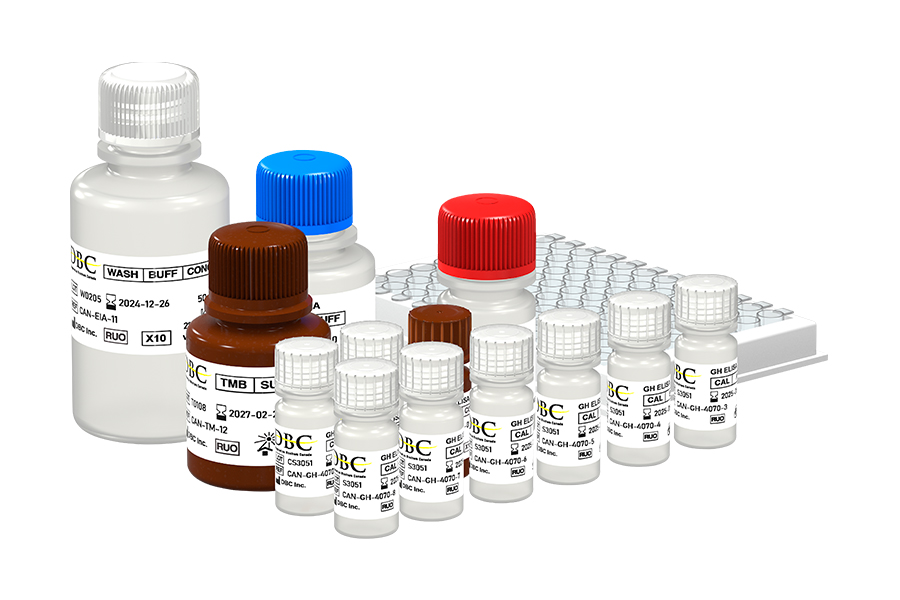
Growth Hormone (hGH) ELISA kit - Diagnostics Biochem Canada Inc.

Growth hormone therapy is not limited to short-term outcomes. Its relevance lies in how it supports long-term system integrity. By influencing cellular repair, metabolic balance, and structural maintenance, it contributes to how the body performs and adapts over extended periods.

We operate within a framework that prioritizes precision, verified sourcing, and global accessibility for environments requiring reliable growth hormone solutions. Our focus is on delivering compounds that meet the standards of structured use, where consistency, integrity, and controlled application define the outcome. In systems where every layer is connected, maintaining balance is not optional, it is essential for sustained performance and long-term stability.