
Regeneration is not a single event but a progression. It begins with detection of damage, followed by signaling, cellular response, and eventual restructuring. Each phase depends on the accuracy and efficiency of communication between cells and systems.
Peptides studied in this area are applied to observe how these phases can be influenced or optimized within controlled environments. This includes examining how repair signals are amplified, how cellular activity is coordinated, and how structural rebuilding is completed without disruption. The focus is on continuity and precision, ensuring that each stage of regeneration contributes to a stable final outcome.
Managing Variables in Repair Systems
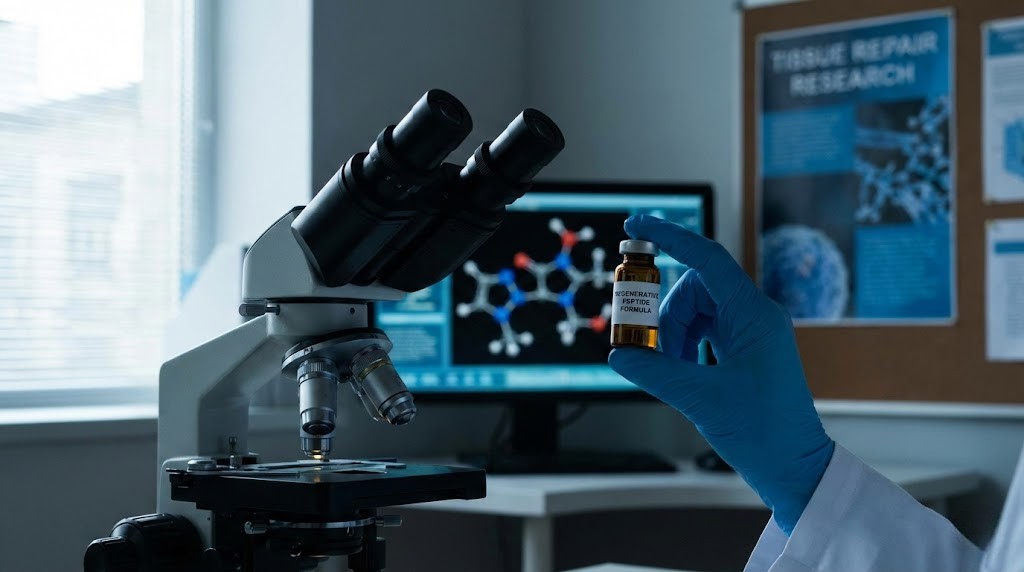
Regenerative processes are sensitive to environmental conditions and internal balance. Factors such as nutrient availability, signaling intensity, and timing can significantly alter the quality and speed of repair. This makes controlled research environments essential for isolating the effects of specific variables.
Peptides used in this category must be handled with consistency and accuracy to preserve their interaction with biological systems. Stability, purity, and controlled application are critical in ensuring that observations reflect genuine regenerative responses rather than external interference.
Rebuilding Systems with Measurable Precision

Regenerative research is ultimately about understanding how systems recover and how that recovery can be guided with accuracy. It is a field that focuses on progression, where each stage of repair contributes to the next, forming a complete cycle of restoration.
We support research environments that require this level of structured investigation by providing peptides aligned with controlled study conditions and global accessibility. The emphasis is on reliability, consistency, and the ability to maintain standards across every stage of use. In regenerative systems, outcomes depend on how well each variable is managed, and that begins with the quality and precision of the materials involved.